
Pressure Has a History (And It Didn’t Start With Social Media)
Jan 04, 2026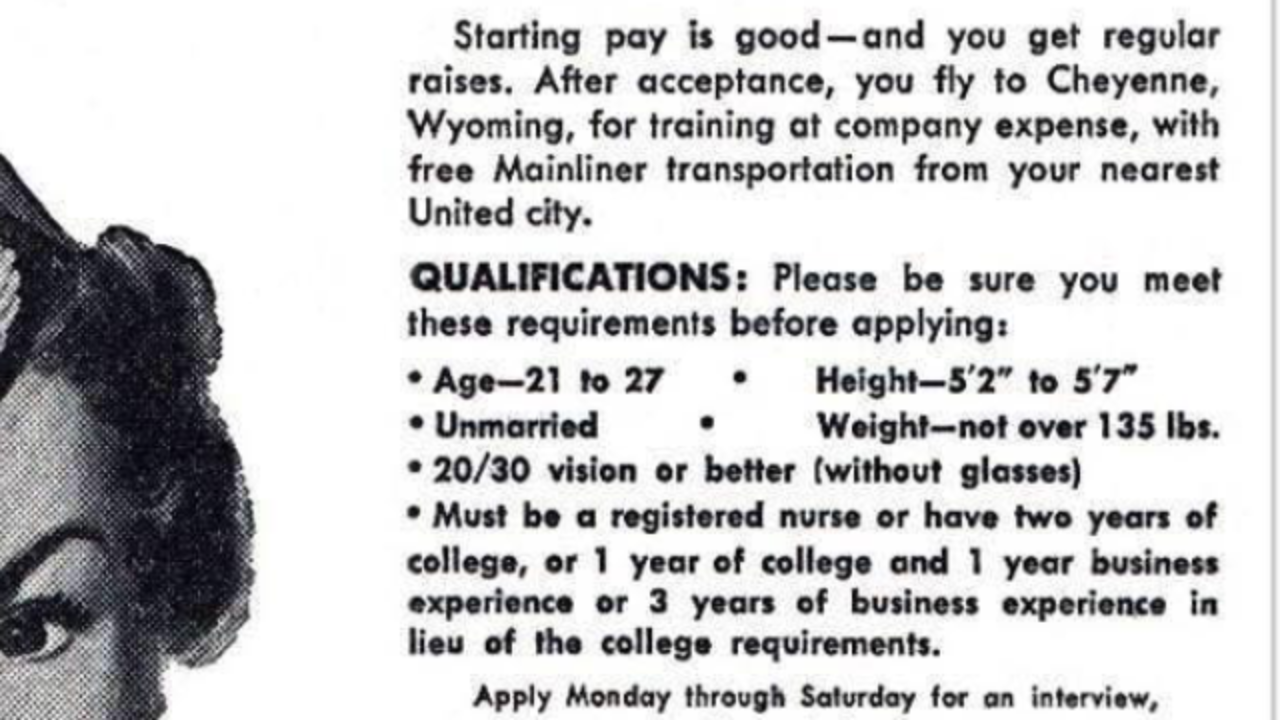
Pressure Didn’t Start With Social Media
As we enter a new year, conversations about pressure tend to intensify. We hear messages about doing better, being more disciplined, setting higher goals, fixing what’s “not working.”
It’s easy to believe that the pressure families feel today is new, a byproduct of social media, modern achievement culture, or unrealistic standards online.
But the truth is quieter, and more important:
Pressure didn’t begin on our screens.
When Pressure Was Built Into Systems
For decades, pressure was built directly into systems, especially for women. In the mid-20th century, certain professions tied employment not only to performance, but to appearance, weight, and compliance.
Thinness wasn’t a preference.
It was a requirement.
Marriage could end a career.
Body changes could cost a livelihood.
When your body determines your safety, income, or status, control isn’t vanity.
It’s survival.
This distinction matters because it reframes so much of what we see today. Many behaviors now labeled as “unhealthy,” “obsessive,” or “disordered” did not begin as personal failings. They began as adaptations to environments that demanded constant self-monitoring.
When Coping Becomes Invisible
When pressure is everywhere, coping becomes invisible.
If everyone around you is dieting, managing, complying, shrinking, striving — it doesn’t look extreme. It looks normal. It looks responsible. It looks like doing what you have to do to succeed.
What becomes normalized in one generation doesn’t disappear when the rules change.
It gets absorbed.
Internalized.
Passed down quietly, often without words.
Why Today’s Family Struggles Didn’t Start at Home
This is why many of the struggles families face today didn’t originate at home.
They were inherited from culture.
Parents didn’t invent these pressures. Many were raised inside them. Now, they’re trying to parent differently while carrying expectations they never consciously chose.
Without context, frustration often turns inward:
Why does this feel so hard?
Why can’t I just do better?
With context, the question shifts to something far more compassionate and useful:
What am I carrying that didn’t start with me?
Understanding Context Changes Everything
Understanding where pressure came from doesn’t create blame.
It creates context.
And context is what allows change.
If we want to interrupt patterns instead of repeating them, we have to understand their origins — not to dwell in the past, but to loosen its grip on the present.
This work isn’t about judgment.
It’s about awareness.
And awareness is where real change begins.
Much of my work, in my books and in my coaching with families, exists to offer this kind of context — not quick fixes or blame, but a way to step back and see the systems that shaped how we parent, strive, and define success.
If this perspective resonates, I invite you to stay with this conversation.
This post begins a new series exploring how pressure, image, and compliance shaped women’s roles beginning with the original “face of the skies”: the early flight attendant era.
Follow along for the next post, where we’ll look at what those job interviews demanded and what they reveal about how cultural pressure became personal.
Head to my website to find out more about me and the Move FORWARD coaching program.
Follow on Instagram @siahfriedcoach